
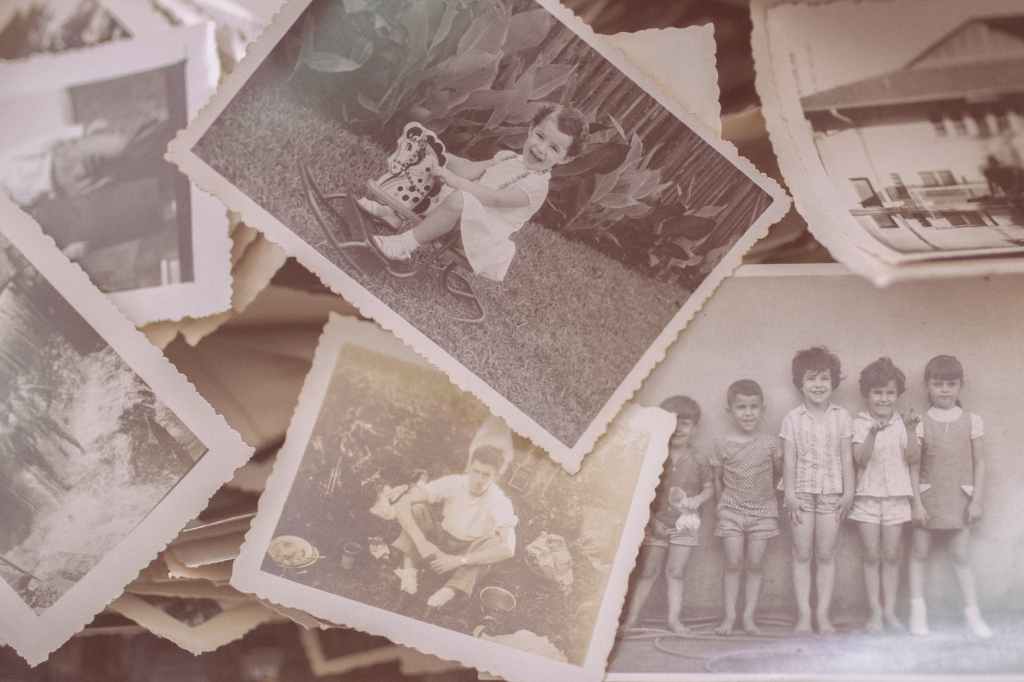
“It was early in the year 1945, I was 16 years old and wanted to serve my country before the war was over; so I lied about my age and joined the merchant marine because they were taking guys as young as 17. I was with them for six years, well after the war, and I’ve got some stories about those years that I haven’t told anyone … until now.” One of my hospice patients, a 93 year old ex-merchant marine, ex-salesman for a neon sign company (his territory included Las Vegas, so imagine some of those stories!), decided he wanted to collect some of his memories in an audio file in order to share his legacy with his family “after I’m gone.” My job was to push “record” on the digital voice reorder and to sit back and listen; occasionally I asked a question to help clarify a point, but mostly, he talked, I listened. About 3 hours later we had made it to 1953.
What a joy and blessing it was to be allowed into his memories, into his stories. It really struck me while listening to him that our lives, our very existence, is a collection of stories – that’s who we are, those stories, those memories. And when our narratives overlap with others, that’s what makes relationships, builds community and creates a foundation of hope.
“Memory and hope are inseparable. To poison the past does not give hope: it destroys its emotional foundations.”
– Joseph Ratzinger (Pope Benedict XVI) from his book, Seek That Which Is Above.
What is it about memories that give us hope? Is it a longing (hoping) for the way things used to be, clinging to the past? For my 93 year old hospice patient I saw visible evidence of a man fully alive, despite having been given a death sentence from cancer (his words); his stories were of a life well-lived and the joy experienced from reliving past narratives reminding him of the love he experienced and shared — his source of hope seemed to be in a real sense that this was not the end of the story for him, that there was more still to come, still to share. He had said that he was not religious but that he did believe there was purpose to life and that his legacy of hope to those family member that heard his stories was to go and create their own stories. Sharing his memories, hearing his passion for life and living while facing his mortality was inspiring; I began to understand the emotional foundation that Pope Benedict XVI was referring to in the quote above. Witnessing to his narrative reminded me of another quote that seems to capture what I was seeing and hearing:
” The glory of God is man fully alive.”
– St. Irenaeus
When God reveals His name to Moses in Exodus 3:14 as “I am who I am” it is understood to mean that God is existence itself, the shear act of being, simply, He is. Created in His image, we are most like God when fully alive, the glory of God shining through our very being. Telling those stories and reliving those memories, there was a visible light radiating from within, a light that helped me to see a man fully alive in the present through a narrative from the past that created a foundation of hope for the future.
Reflection questions:
1.) What is your take on Ratzinger’s statement about hope and memory being inseparable?
2.) What are the emotional foundations of the past for you?
3.) Have you seen examples of a poisoning of the past on the world stage? In your own life?
4.) Do you have a memory you could share that offers hope?
Scripture References
Exodus 3:14


Leave a comment