

It struck me that I have heard some version of the following with greater frequency in recent years, particularly from younger folks I have visited with: “Religion makes little sense to me, let alone Christianity with all its rules. If your God is good, shouldn’t God provide what is good for us, permit whatever makes us happy?” A young patient with chronic illnesses including anxiety and depression recently added, “If there is any truth in religion it’s that they all teach being a good person, so if there is a heaven, that should be enough for a free pass.”
It seems to me that Robert Cardinal Sarah, in his book God or Nothing, captured this prevailing thought process well when he wrote, “Mankind has never been so rich, yet it reaches astounding heights of moral and spiritual destitution because of the poverty of our interpersonal relationships and the globalization of indifference.” And there it is, the real pandemic afflicting our world, moral relativism, and its accompanying indifference.
For many of these folks, struggling with medical and/or emotional concerns, I could not help feeling that something was missing, what Sarah calls “the poverty of our interpersonal relationships.” Thinking to make the case that it is the truth of faith missing in their lives, it seems to be even more basic than that. Then I remembered Brother David Steindl-Rast, a Benedictine monk known for his teachings about gratefulness as the true source of lasting happiness. If you are not familiar with him, this short video will be five minutes well spent:
He reminds us that each day is a gift, especially those ordinary moments we often take for granted, if we only open our eyes to see and our hearts to feel with gratitude. Practicing gratitude, he teaches, makes us pay attention to the God-given gifts right in front of us. It challenges those feelings of indifference as we savor the flavors and textures of our life experience, the good with the bad. And that is the key – no matter how dreadful things might seem, we can still find something for which we are grateful, enriching our life and relationships. As someone who has kept a gratitude journal for a number of years, I can attest to the benefits and to the fact that at times it is not easy – the practice must be cultivated.
Therefore, let us be grateful for receiving a kingdom that cannot be shaken, and thus let us offer to God acceptable worship, with reverence and awe.
– Hebrews 12:28
Let’s start with the benefits then look at developing the practice:
Physical benefits of practicing gratitude
It may seem intuitive that grateful people are happier with clinical research linking active participation in cultivating one’s gratitude to a more contented, healthier lifestyle:
- Research has concluded that gratitude has one of the strongest links to positive mental health and satisfaction with life than any other personality trait.
- Actively practicing gratitude can have wonderful beneficial effects, including: Feeling more energetic and full of life, which leads to a better sleep experience, resulting in increased alertness and enthusiasm with a greater sense of purpose and resilience.
- The science behind it correlates a deliberate focus on gratitude for as little as fifteen minutes a day to a healthier immune system. The key word here is focus, which implies a proactive effort on our part.
For where your treasure is, there your heart will be also.
– Matthew 6:21
Spiritual benefits of practicing gratitude
Spirituality is an essential element in recognizing our shared humanity. Although each of us tend to think of spirituality differently, we find that we can often agree that:
- We each have a spiritual nature right alongside our body and mind.
- Our spirituality is the driver to finding meaning and purpose in our life and the force typically behind that journey to wholesomeness and happiness we all seek.
Highlighting gratitude does promote a shift in focus from what is lacking in our life (the proverbial glass being half empty) to the abundance around us. This leads us to affirm and acknowledge the good things in our life more fully (not only is the glass now half full, but it contains our favorite beverage).
As a result, we find ourselves connecting better with others around us, attaining greater purpose and resilience in our life, often accomplishing more than we set out to do.
I give thanks to God always for you because of the grace of God which was given you in Christ Jesus.
– 1 Corinthians 1:4
Practicing Gratitude
Like any life skill, a grateful disposition must be developed, worked at, cultivated; to some it may come natural, others like me must work at it. Keeping a gratitude journal, for example, can be an important first step to initiating life-giving change.
Here are some considerations for getting started:
Commitment: As Nike tells us, “Just Do It”; commit to a particular time of day, some like to journal first thing in the morning, myself, I like the end of the day where I reflect on my daily encounters and the gifts and blessings I received along the way.
Specificity: Being specific about what we are grateful for can make a dramatic difference.
For example, it is one thing for me to say I am thankful for my mom and dad. It is something greater to say I am thankful for all the sacrifices they made, the hardships they went through to raise me and my two brothers.
- Dad worked forty-two years for the same company, yet not once do I remember him complaining about his work, but rather he was grateful to be working, able to provide for his family.
- My mother was a stay-at-home mom; she made our lunches in little brown bags, PB&J my favorite, baloney not so much. When I came home from school or work, it could be ten at night, there was always a meal ready on the stove.
Focusing on the details of our gratitude and being specific takes us to that deeper level, appreciating the richness in our relationships.
Surprise: If you think about the best gifts you have received, I’m willing to wager there was an element of surprise that came with it, something unexpected or unique – it may have been simple, but not expecting it made it special, and helps us to remember how it made us feel, the key to capturing that intensity.
Life as a gift: This is where we focus on not taking things for granted. Think of the iconic Christmas movie It’s a Wonderful Life with Jimmy Stewart. Recall the angel named Clarence encountering a suicidal George Bailey, and rather than have George count his blessings, Clarence takes him on a journey of a world where those blessings never happened – moving him away from taking for granted that which is rare and precious toward the details of what makes life wonderful.
Life is so short and unpredictable, if you are having trouble figuring out what you are grateful for just imagine something you love or enjoy going away.
Many times, I have witnessed those miracles of love with families reconnecting in the hospital or hospice situation when they know that mom, dad, grandma, grandpa is dying, and their time together is short. Hospice with both my mom and dad was a blessing for my family when we stopped worrying about medical interventions and focused with gratitude on our remaining time together.
Children are often a wonderful source of uninhibited insight: A teenager with chronic medical issues, who had spent much of his young life in the hospital, told me that he was grateful for “stinky socks” because they reminded him of his home and family.
O give thanks to the Lord, for he is good, for his steadfast love endures forever.
– Psalm 136:1
Not feeling grateful: Earlier I stated that linking happiness with gratitude may be intuitive; this next statement, on the other hand, may seem counterintuitive: you do not have to feel grateful to be grateful. We all know that “stuff happens” – and when it does happen, feeling grateful may be the last thing that comes to mind. But that is precisely when we need to take out our gratitude journal and allow ourselves to reflect on what is important in our life, removing what is superficial to see the things of value we may have missed. We cannot always know in the moment why things happen, only time reveals the true importance of the gift often embedded in those times of trial.
In the meantime, dealing with those daily disasters that strike unexpectedly with gratitude builds up our resilience and resistance to stress. They prepare us for those future trials we may encounter, ensuring we do not take things for granted along the way.
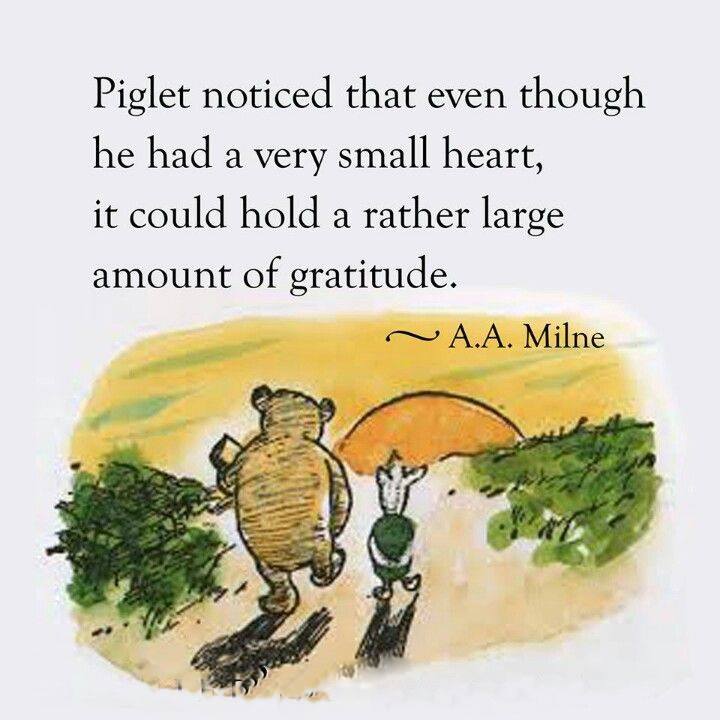
Cultivating an attitude of gratitude shows us the things in life that are important, the things worth caring for deeply. We cannot be grateful and indifferent at the same time, especially about whatever “stinky socks” we are so blessed to have in our life.
I am grateful for you – thank you!
Reflection questions:
- Reflect on the fact that the word “gratitude” comes from the same Latin root (gratia) as the word “grace,” which is the unmerited favor of God – how are they linked? Consider that our prayer of thanksgiving before a meal is called grace.
- Trouble getting started? Make it personal: Who has helped you or helped those you love? Who touched your life in a distinct way and deserves your thanks?
- Still looking for a way to start; try one of these spiritual disciplines:
- Fasting – Curbing our appetites reveals just how much time and attention, in some cases obsession or addiction, we give to food or drink – fasting shows that it is possible for us to have unfulfilled desires and still be grateful.
- Silence/Solitude – Being social creatures this can be one of the more difficult yet fulfilling disciplines; at its core is a strong sense of freedom as we detach from the material things of this world (just putting your cell phone away for an hour can be a form of solitude) allowing us to connect with and be grateful for that which is greater than ourselves.
- Reflect on God’s love that has brought you into existence and to this exact moment. Practice looking for His hand touching your day: Where did you feel God’s loving presence today? What people or moments helped you to see God in your life? Thank God for all these moments!
Scripture References
Hebrews 12:28 Matthew 6:21 1 Corinthians 1:4 Psalm 136:1


Leave a comment